Vehicle Controller Enclosure & IPX5 Test Rig
I led enclosure design for the team, redesigned the Vehicle Controller around a severe packaging conflict, and built a standards-compliant water-ingress test setup for roughly one-tenth the cost of a commercial nozzle.
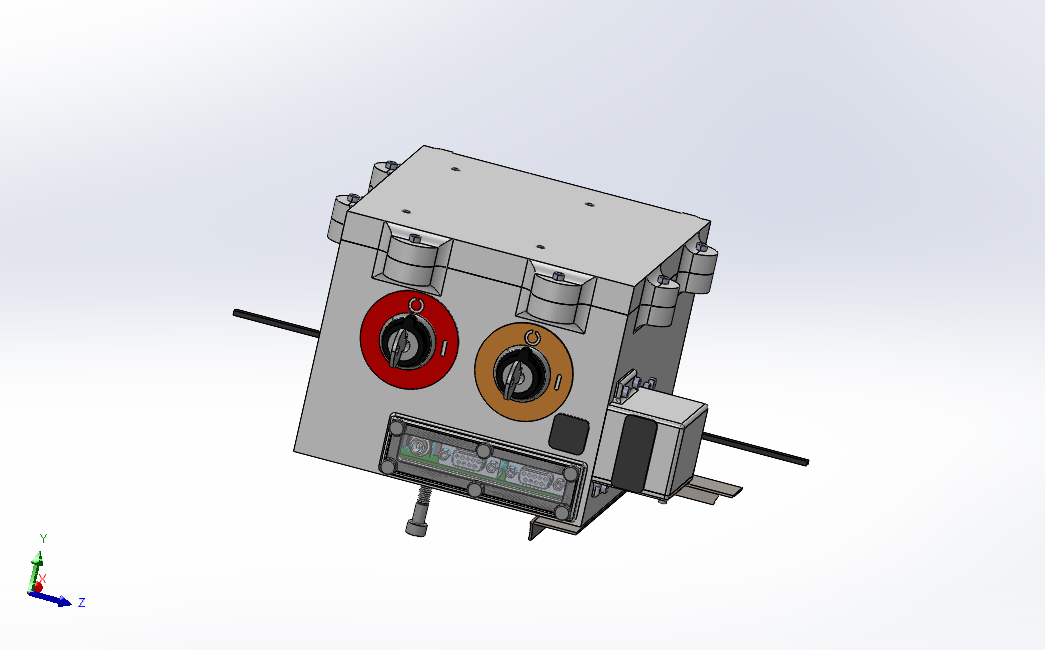
Project Summary
- A serviceable three-part Vehicle Controller enclosure.
- An in-house IPX5 water-ingress test setup.
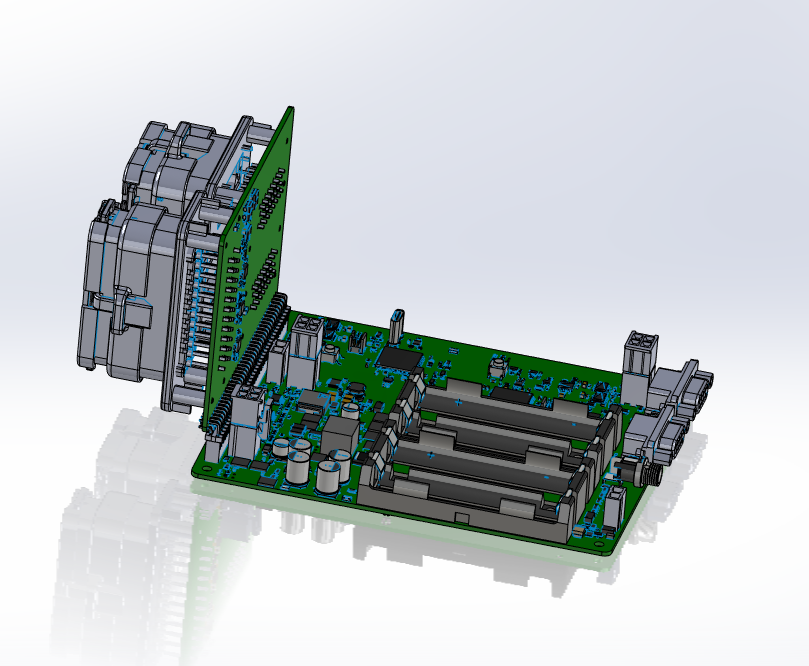
- Stacked two circuit boards to use available vertical space.
- Designed a sliding enclosure and derived a test nozzle from IEC 60529 geometry.
- Resolved the packaging conflict between the controller and inverter.
- Reduced test-equipment cost from $500–$1,000 commercially to about $50—an at least 90% reduction.
Enclosures Lead
In my second year on UBC Formula Electric, I was in charge of the team's electrical enclosures. Alongside coordinating that work, I personally designed the enclosure for the Vehicle Controller (VC) and developed the setup used to test our enclosures for water ingress.
The work connected electrical packaging, mechanical design, manufacturing, serviceability, and validation. The tight vehicle envelope meant the enclosure could not be designed around the board in isolation; the controller, inverter, and nearby systems all had to fit together.
A Packaging Conflict
The original Vehicle Controller circuit board and planned inverter enclosure both competed for the same limited horizontal space. Keeping the VC as one large board would have forced a compromise elsewhere in the vehicle.
I proposed splitting the VC into two circuit boards. Stacking them allowed us to use otherwise empty vertical space instead of the horizontal area needed by the inverter enclosure. This changed the enclosure from a passive box around a fixed design into part of the system-level packaging solution.
A Serviceable Three-Part Enclosure
With the stacked layout established, I designed a three-part enclosure that slides together. The construction packages both boards compactly while allowing the assembly to be opened and the boards removed without dismantling the surrounding vehicle systems. That service access mattered for troubleshooting and repair during testing and competition.
Building the IPX5 Test Setup
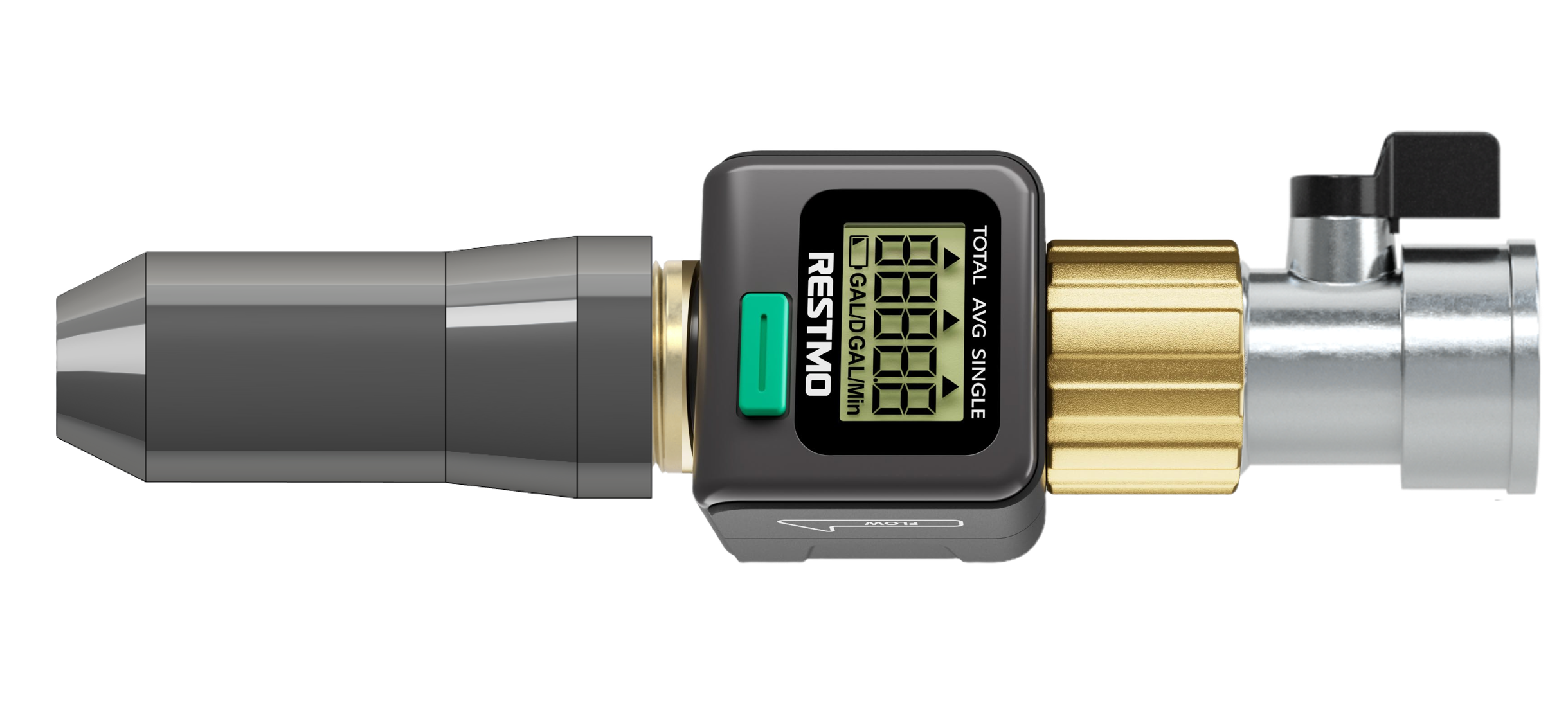
Designing a sealed enclosure was only half the job; we also needed a practical way to validate it. Commercial IPX5 test nozzles cost approximately $500–$1,000, which was out of the question on our limited student-team budget.
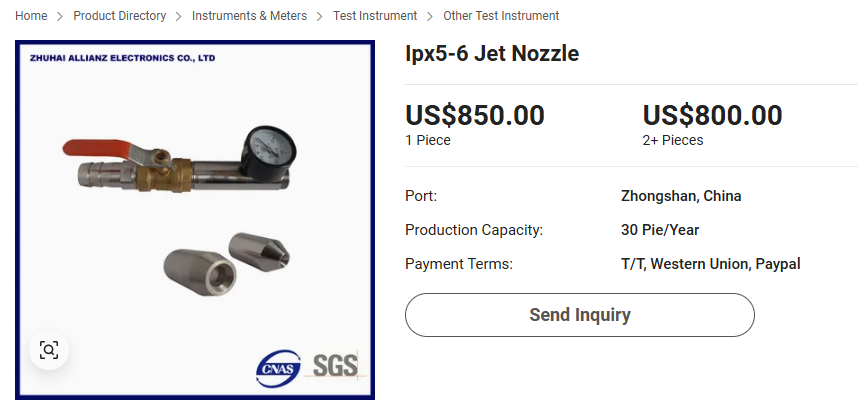
I consulted IEC 60529, extracted the required nozzle geometry and test parameters, and designed a lower-cost equivalent around readily available components.
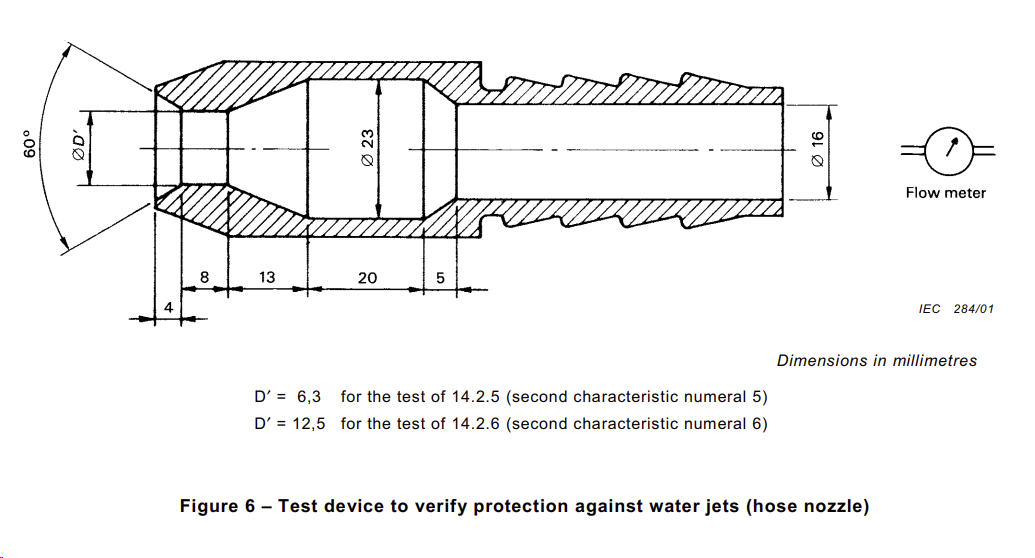
The finished assembly combined parts from Amazon and McMaster-Carr with a custom 3D-printed adapter for a standard garden hose. It met the applicable IP test geometry while bringing the total cost to approximately $50.
Outcome
The result was a compact, serviceable Vehicle Controller enclosure that resolved a vehicle-level packaging conflict, plus an affordable test setup the team could use to validate water-ingress protection in-house. More importantly, both solutions came from treating constraints as design inputs: use vertical space when horizontal space disappears, and build the required test capability when buying it is not viable.